The music
Vivaldi's Four Seasons explained
What Vivaldi's Four Seasons is, how Spring and Summer are built, what the sonnets describe and what to listen for when they are played in a church.
Book a seat under the dome ↗Quick answer
Vivaldi's Four Seasons are four violin concertos that were printed in Amsterdam in 1725 within his Op. 8. Every concerto runs in three movements, fast then slow then fast, and every one has a sonnet that the music tracks. They count among the earliest detailed cases of programme music, where instruments imitate birdsong, storms and a barking dog.
The set and its date
The first four concertos in Vivaldi's Op. 8 are the Seasons. The collection is titled Il cimento dell'armonia e dell'inventione, The Contest Between Harmony and Invention, and it holds eight further concertos. Vivaldi wrote the Seasons in his Mantua years, around 1718 to 1723, and the Amsterdam publisher Michel-Charles Le Cène issued them in 1725. Each follows the same plan of three movements, fast, slow and fast.
Music that tells a story
Each concerto was published with a sonnet, possibly Vivaldi's own, divided into three parts that match the three movements. The music tracks the poem closely. That makes the set one of the earliest detailed examples of programme music, meaning instrumental music with a narrative. Vivaldi even wrote instructions into the score, such as the barking dog and languor caused by the heat, so that players know which picture they are painting.
Spring
Spring is the first concerto, in E major, about ten minutes long. Its fast first movement greets the season with birdsong and murmuring streams, interrupted by a storm. The slow movement has a goatherd sleeping beside his dog, and the barking dog is played by the violas. The last movement, Allegro pastorale, brings dancing shepherds to the sound of bagpipes.
Summer
Summer is the second concerto, in G minor, about eleven minutes long. Its first movement describes languor in the heat, with the cuckoo and other birds and a north wind. In the slow movement a shepherd fears storms and flies buzz around him. The finale is a fast Presto in which a storm breaks and hail flattens the crops. It is darker and more dramatic than Spring.
The composer
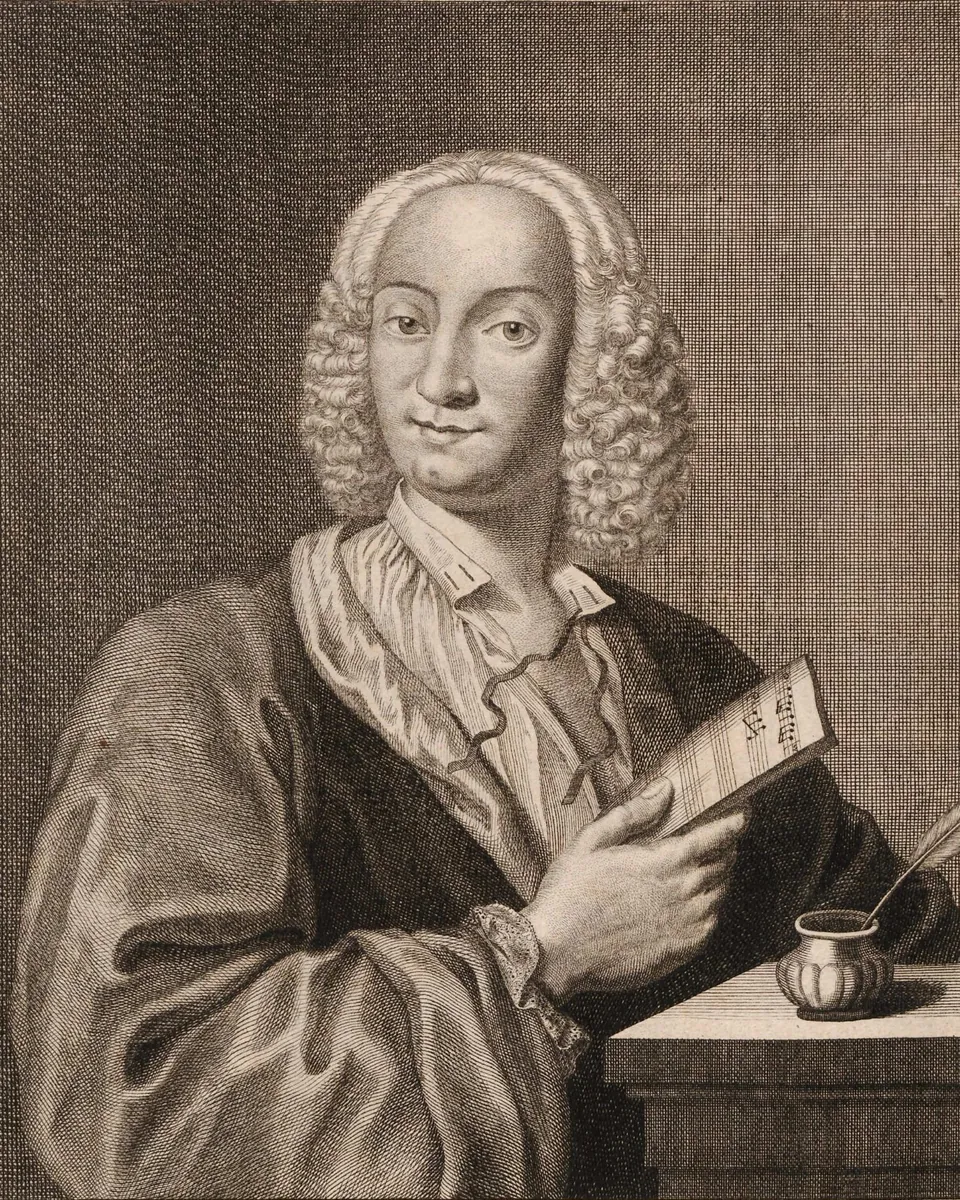
Antonio Vivaldi was born in Venice on 4 March 1678 and died in Vienna on 28 July 1741. He was a priest, and his red hair earned him the nickname il Prete Rosso, the Red Priest. In September 1703 he became master of the violin at the Ospedale della Pietà in Venice, and in 1716 he was promoted to music director, responsible for all the institution's musical activity. He wrote more than 500 concertos, about 230 of them for violin, which is why the violin shapes so much of the music he left.
Why a concert plays only two
A full performance of all four concertos takes about 40 to 43 minutes. A one-hour concert that also includes other composers and a soprano cannot hold the whole set, so the programme names Spring and Summer and fills the rest of the hour with other music. Concerts that play a selection are common for this reason. If hearing the complete set matters to you, look for a concert that says so in its title, and check the programme for your date.
What to listen for
Notice how the solo violin leaves the ensemble and then slips back into it. Listen for birdsong in the high violin lines in Spring and for the steady viola figure that stands for the dog. In Summer, notice how the key and speed change when the storm arrives. Because the church is a stone room, the sound lingers after each phrase, so the pauses between sections are part of the music. Reading the sonnets beforehand makes the pictures easier to follow.
Frequently asked questions
When was The Four Seasons published?
Amsterdam, 1725, inside Vivaldi's Op. 8.
How long are Spring and Summer?
Spring lasts about ten minutes and Summer about eleven. A full performance of all four takes about 40 to 43 minutes.
Does it have words?
Each concerto comes with a sonnet, but the music is instrumental. The poems explain what the music depicts.
Sources